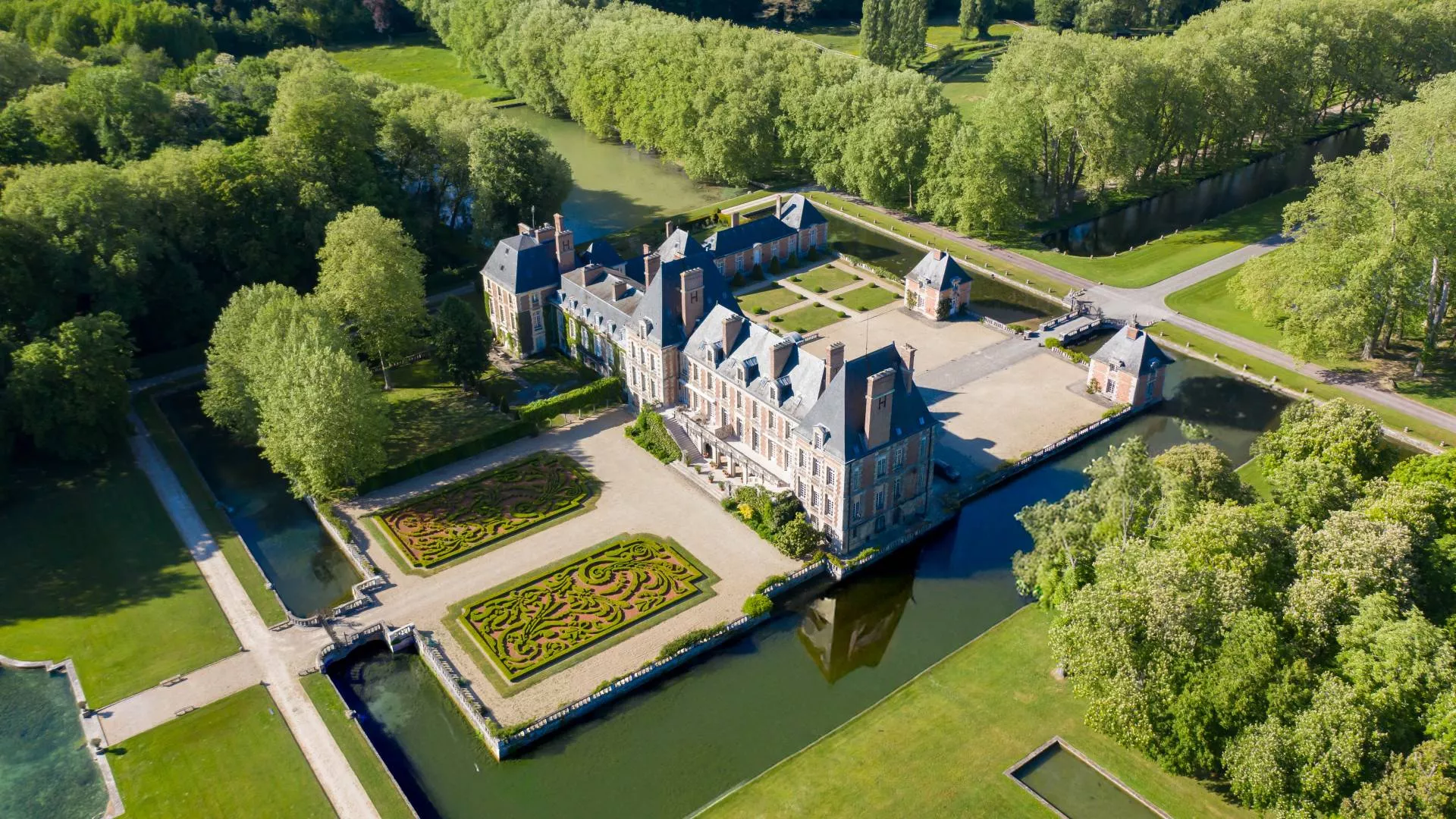
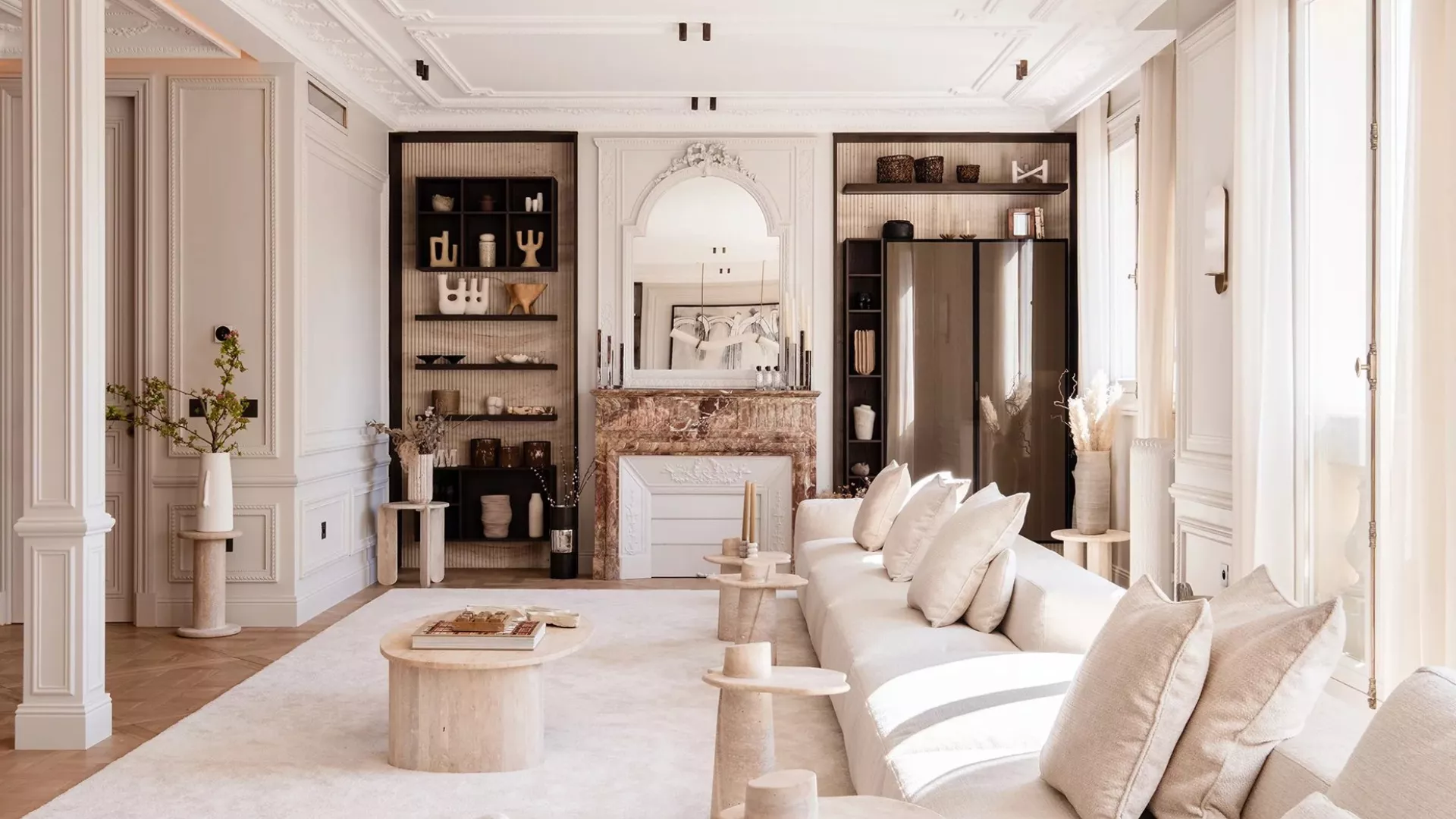
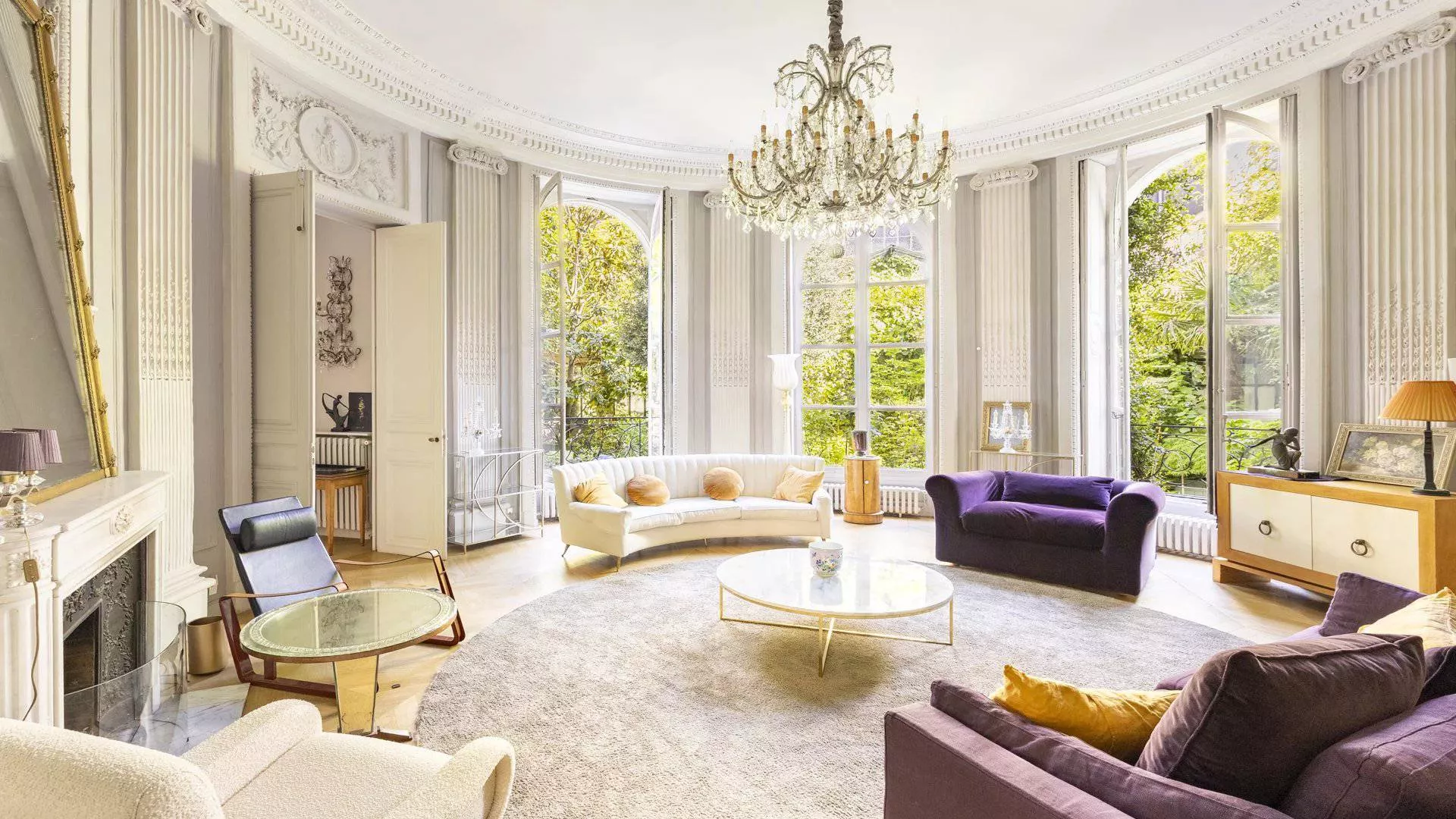
Buying a castle in 2026: prices, market and opportunities
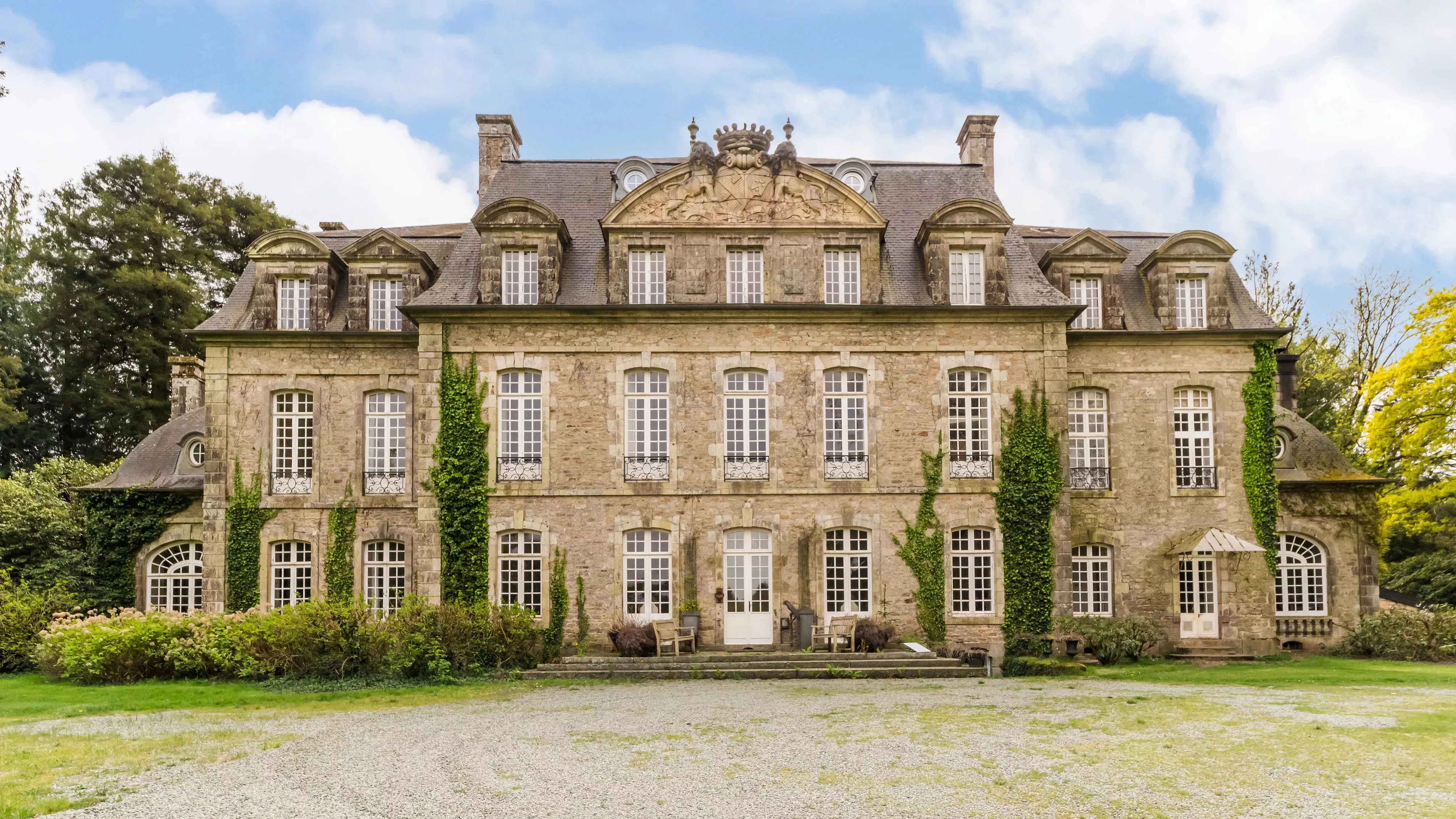
France has nearly 45,000 castles, yet only a few hundred are sold each year. By 2026, this niche market, relatively insensitive to interest rates, holds real opportunities for those who know the rules. A closer look, from properties in need of restoration to exceptional residences.
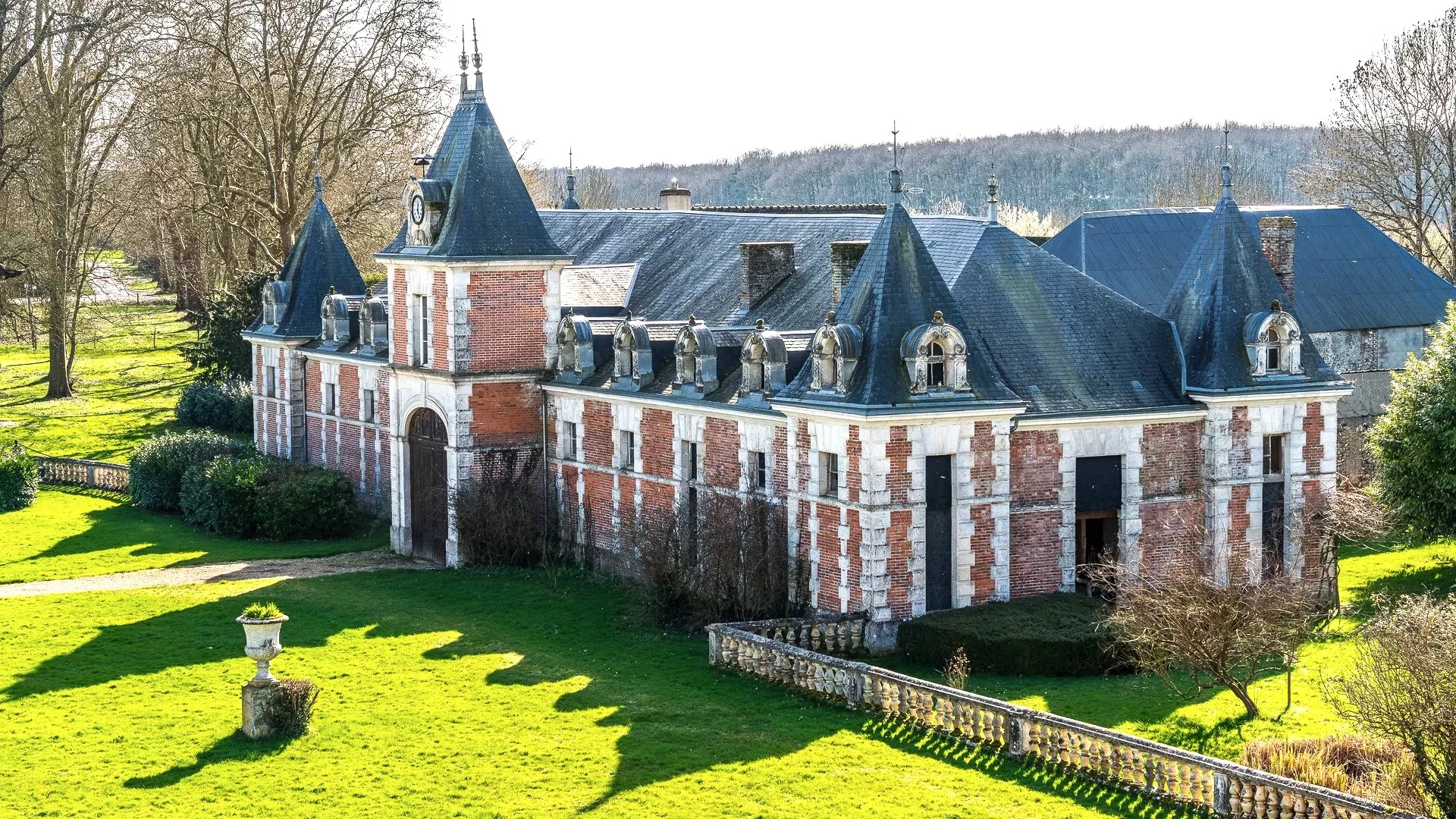
Buying a castle in 2026: Price, market and opportunities
A château is a unique asset: rare, illiquid, and driven by passion as much as by heritage considerations. In 2026, in a still uncertain economic environment, this segment confirms a quality that has become precious: its resilience. An overview of prices, volumes, buyer profiles, and trends shaping the French château market.
Discover the Castles and Heritage team“Owning a castle, a vineyard or a forest represents much more than a simple investment: these assets tell a story, constitute a heritage and a meaningful project.”
A market relatively insensitive to interest rates
The macroeconomic context of 2026 remains one of cautious rebalancing. After two years of correction, the French real estate market is stabilizing, supported by inflation returning to moderate levels and credit rates that have eased to settle around 3% over 20 years. Professionals speak of a cycle restarting, but in a gradual and selective way. Exceptional real estate, however, follows its own logic. Unlike conventional residential real estate, ultra-luxury real estate is less dependent on credit conditions: in certain key markets, more than two-thirds of transactions are completed without bank financing. This capacity Cash purchase mechanically limits the effect of interest rate fluctuations and makes the segment more resilient and responsive than the mass market. Castles fit perfectly into this dynamic: they are a tangible, non-relocatable, and meaningful asset, sought after precisely during periods of uncertainty.
How much does a castle cost in France in 2026?
France has approximately 45,000 châteaux, from forgotten manor houses to royal estates; an offering unparalleled in Europe. Each year, nearly 1,500 châteaux are offered for sale, and 700 to 800 change hands, a number of transactions deliberately limited by their scarcity. Assets and the length of the sales cycle: selling a castle takes on average 12 to 18 months.
Contrary to popular belief, not all castles are sold for several million euros. The market is very diverse. depending on the location, the condition of the building and the level of services.
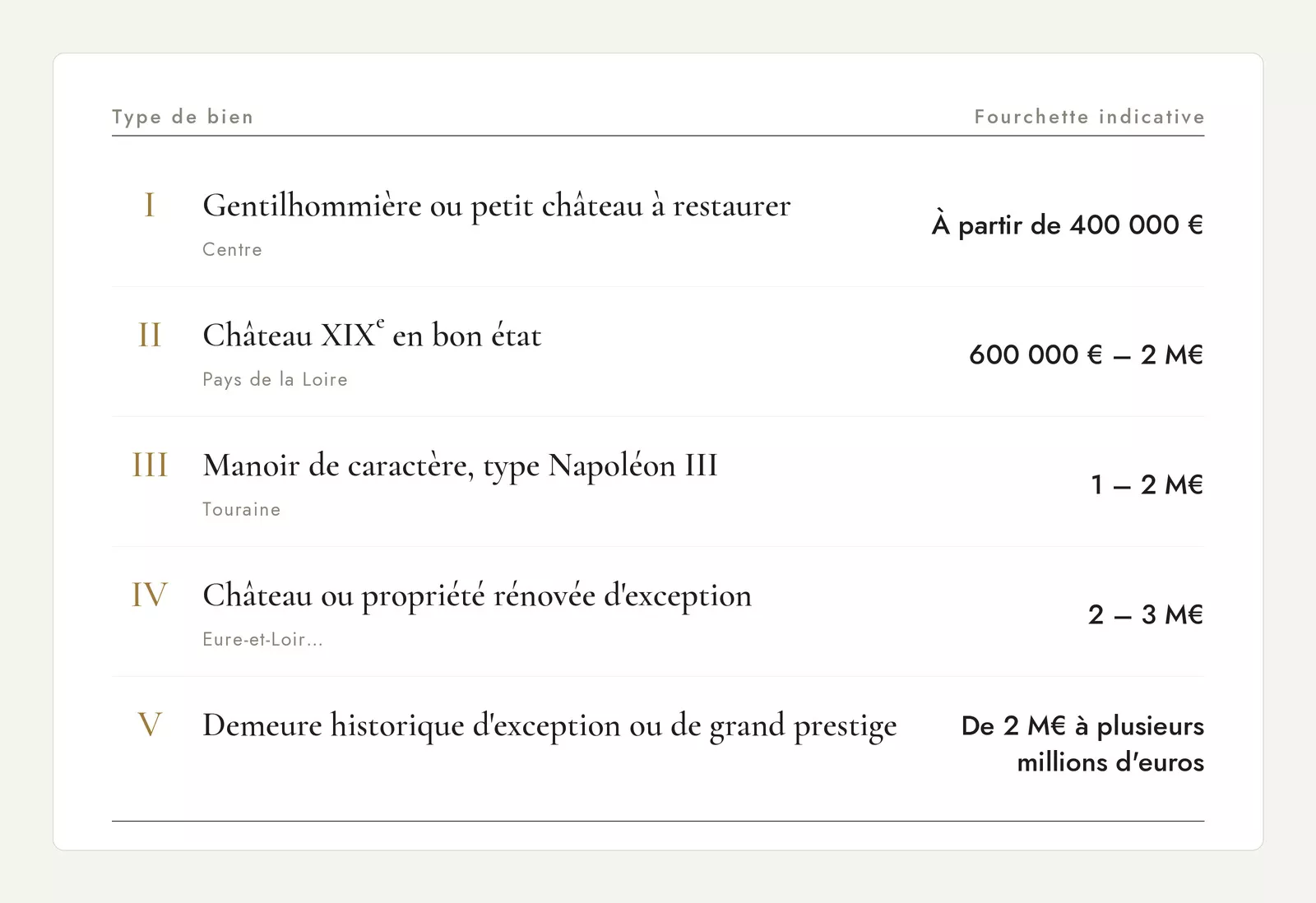
The comparison remains striking: for €350,000, one can acquire an apartment of about twenty square meters in the center of Paris… or a castle in the Loir-et-Cher region. One crucial factor remains: maintenance. For large properties, this represents a significant expense: roof, heating, surface area, grounds must be precisely calculated from the initial project planning stages. What makes the difference in the eyes of buyers today is no longer just prestige, but the quality of the renovation, the clarity of future costs, and the potential for immediate use. However, it is necessary to budget 2.5% to 3.5% of the property's purchase price over the long term, including both ongoing expenses and provisions for major renovations.
Who are the castle buyers in 2026?
The profile of buyers has profoundly transformed. From an image of the castle as dark and frozen in the past to In the late 1990s, these grand residences came back to life with owners seeking peace, nature, and meaning, far from the hustle and bustle of the city. With a significant proportion of transactions carried out by young buyers between 30 and 50 years old, the château market has been rejuvenated, allowing entrepreneurs or to understand these properties from the perspective of a project. Teleworking, communication facilities and the visibility of social networks have accelerated this movement.
The market remains profoundly international. In addition to the strong French presence, there is a significant number of foreign buyers—Belgian, Swiss, British, American, and Chinese—for whom French heritage, backed by a stable legal framework, retains unparalleled prestige. We note the proportion of foreign clients in 27%, of which ¾ comes from the European Union.
Energy performance, a now decisive criterion
In 2026, the historical dimension alone of a property is no longer sufficient: energy performance is becoming a key purchasing criterion. For large, old buildings, which are often energy-intensive, the quality of the restoration, insulation, heating system, and above all, readability Future expenses now cost as much as the property's value. The issue is also regulatory for anyone considering renting out gîtes, bed and breakfasts, or seasonal rentals. The timeline of the Climate and Resilience Law is progressively excluding energy-inefficient properties from the rental market: properties classified as G on the Energy Performance Certificate (EPC) are prohibited from Rental properties have been subject to the following regulations since January 1, 2025: F properties will be subject to them from January 1, 2028, and E properties from January 1, 2034. Listed or registered properties may, however, benefit from exemptions due to heritage and architectural constraints. For others, solutions are becoming more widespread: heat pumps Heat, biomass boilers, geothermal energy, and insulation that respects older buildings all contribute to securing resale value. More broadly, the enhancement of parkland, sustainable management, and the preservation of biodiversity strengthen the appeal, and the price, of large properties.
Historic Monuments: Between Constraint and Advantage
Listing or registration as a Historic Monument is a double-edged sword. It imposes constraints, with work subject to the control of the Architects of the Buildings of France, being well-protected and not freely modifiable, but it is also a powerful asset for heritage preservation. This status can, under certain conditions, grant access to a specific tax regime: deduction of expenses and restoration work from total income, without the tax loophole cap, and, under an agreement with the State, exemption from inheritance and gift taxes. Public subsidies (DRAC, heritage foundations) can also co-finance restorations. Coupled with long-term conservation commitments, these mechanisms transform a restoration project into a genuine transmission strategy. They deserve to be studied with specialized advice. prior to any acquisition, one of the plots of land on which our teams support buyers and sellers.
Which regions should be prioritized?
Attractiveness varies greatly from one region to another. Dordogne, Pays de la Loire, Auvergne-Rhône-Alpes, Bourgogne-Franche-Comté and Centre-Val de Loire concentrate the majority of French châteaux, while Île-de-France remains the market the most selective and the most expensive, and that Occitanie stands out for its more accessible entry prices.
View our properties for saleWhere are the opportunities in 2026?
The rebalancing of the market plays in favor of patient and well-informed buyers. Several opportunities are emerging this year. - Regions with moderate entry prices. Occitanie remains the most accessible gateway, with castles to restore offered at prices significantly lower than Those in the Loire Valley or the Île-de-France region. Certain areas of the Centre region also offer character properties at reasonable prices for those willing to undertake a renovation project.
- Properties to renovate. Buying a house to restore means entering the market at a discount, provided you have assessed the costs. The renovation budget and future expenses are factored in upfront. This is often where the best value for money is found. Properties that have been on the market for a long time. A castle typically sells in 12 to 18 months, but some remain on the market for several years and end up selling for significantly less than their initial asking price. The time a property has been on the market is a powerful negotiating tool for the savvy buyer. - The off-market. Some of the most desirable properties are never publicly listed, out of respect for the sellers' privacy. Access to These confidential assets are handled through a specialist's network; this is one of the main advantages of dedicated support.
The keys to a successful acquisition
Acquiring a castle is not something that can be done on a whim. A few simple steps will secure the transaction and future resale: - Calculate the true cost of ownership before making an offer: energy performance (Energy Performance Certificate - EPC), heating system, and routine maintenance (roof, surface area, grounds), which can represent a significant budget therefore.
- Check the status of the property: classified; or listed as a Historic Monument (subject to the constraints imposed by the Architects of the Buildings of France, but with tax advantages), easements, and the condition of the roofs and framework.
- Define the intended use from the outset: family residence, hotel, event venue, as this determines both profitability and liquidity. resale.
- Rely on a network of specialized agents like Junot Châteaux et Patrimoine, to access off-market properties, accurately value them, and negotiate with full knowledge of the facts.
Outlook for 2026: A promising market for enthusiasts
Three key trends emerge for the year:
- Sustained demand in a niche market, driven by a rare and non-relocatable built heritage;
- A marked qualitative arbitrage: buyers concentrate their capital on properties that are easy to understand, well-renovated, and meaningful, to the detriment of high-risk or Uncertain costs;
- Real opportunities for sellers who prepare solid proposals and target international buyers or those looking to change careers.
Are you looking to sell or buy an exceptional property?
Contact our teamFAQ - Investing in a castle in 2026
1. What budget is needed to buy a castle in France? &From €400,000 for a manor house or a small castle to restore, from €600,000 to €2 million for a characterful castle in good condition, and beyond €5 million for an exceptional historic residence.
2. Is the castle market a good investment in 2026? It is a niche market, relatively insensitive to interest rates and supported by international demand. It caters to long-term buyers: the value lies in the rarity and quality. of the renovation and the relevance of the intended use, rather than a quick return on investment.
3. How much does it cost to maintain a castle? It's an item to Do not underestimate, as it varies greatly depending on the surface area, the condition of the building, the type of heating, and the size of the property. It is better to get a precise estimate of routine maintenance and anticipated work before buying, rather than relying on a general ratio.
4. How long does it take to sell a castle? Between 12 and 18 months on average. A well-prepared file and precise targeting of buyers significantly shorten this timeframe. 5. Can a castle be made profitable? Yes: more and more buyers are linking their project to a business activity. — Hotels, bed and breakfasts, seminars, events, or film shoots. A clear use plan and an accessible location (near a major city or tourist region) are crucial for both economic viability and resale.
6. Buying a listed castle Historic Monument status: what are the advantages? Under certain conditions, Historic Monument status allows for the deduction of restoration work and expenses from total income, excluding tax breaks, and may, under an agreement with the State, grant exemption from inheritance and gift taxes. In return, the work is overseen by the Architects of the Buildings of France, and the property must be preserved over time. Specialized advice is essential to ensure the process is secure.
Schedule an appointment with our team