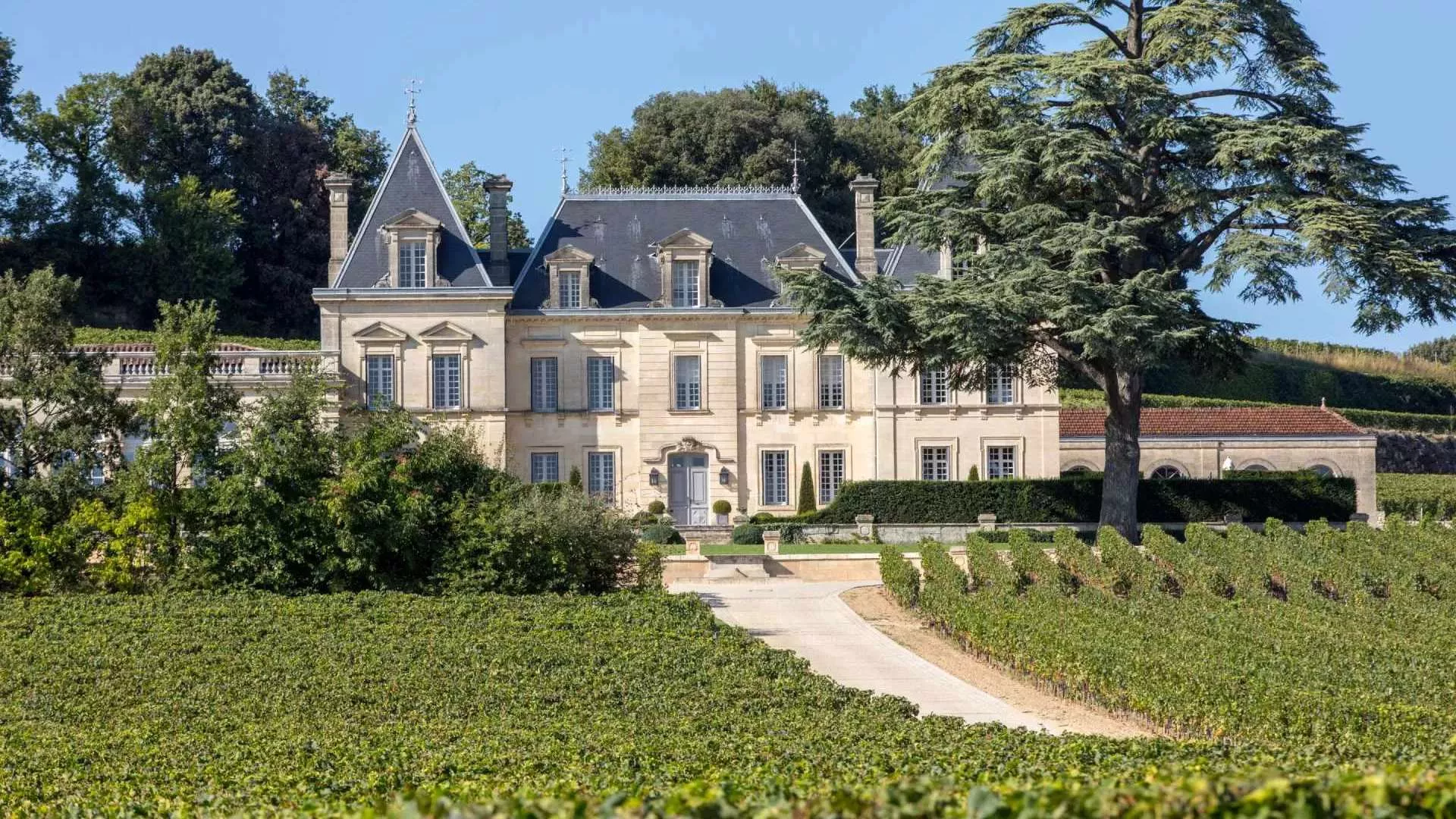
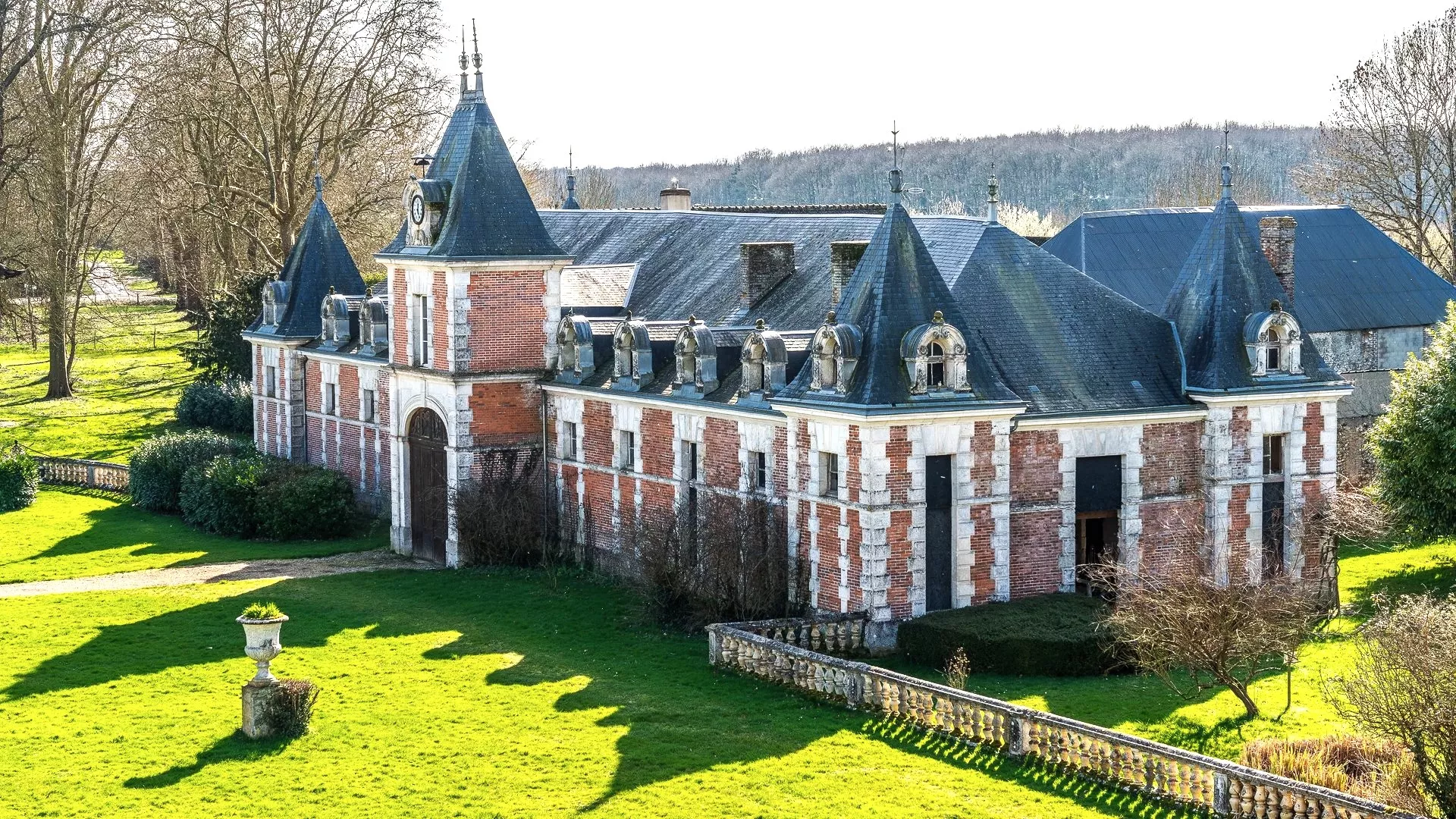
What makes estates and châteaux so appealing to investors?
The châteaux market remains resilient despite a fluctuating economic environment.
“Owning a château, a vineyard, or a forest represents much more than a simple investment: these properties tell a story, constitute a heritage, and represent a meaningful project.” Olivier de Chabot – Tramecourt - Associate Director, Junot Châteaux & Heritage
Castles and vineyards: the little-known advantages of an exceptional investment.
A resilient market
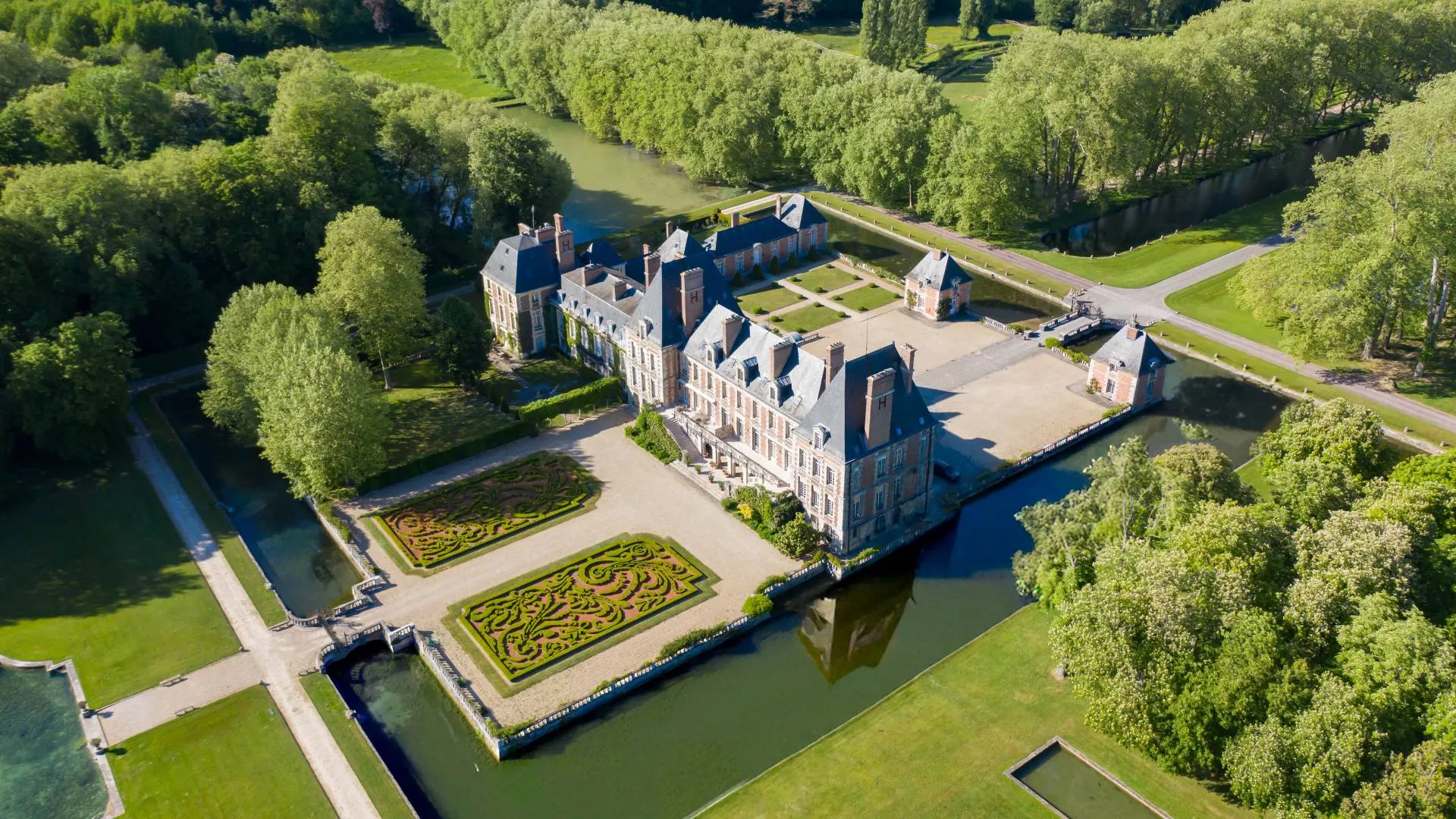
In 2019, there were 200 château sales in France. Five years later, that figure will double to 400 transactions in 2024.
Purchase opportunities range from properties in need of renovation starting at €100,000 to estates in perfect condition or classified as historic monuments, exceeding several million euros. For €350,000, you can buy a 21 m² apartment in the 4th arrondissement of Paris or a château in the Loir-et-Cher. Some people don't hesitate for long...
Maintenance and restoration costs remain high, but tax breaks are available for listed properties.
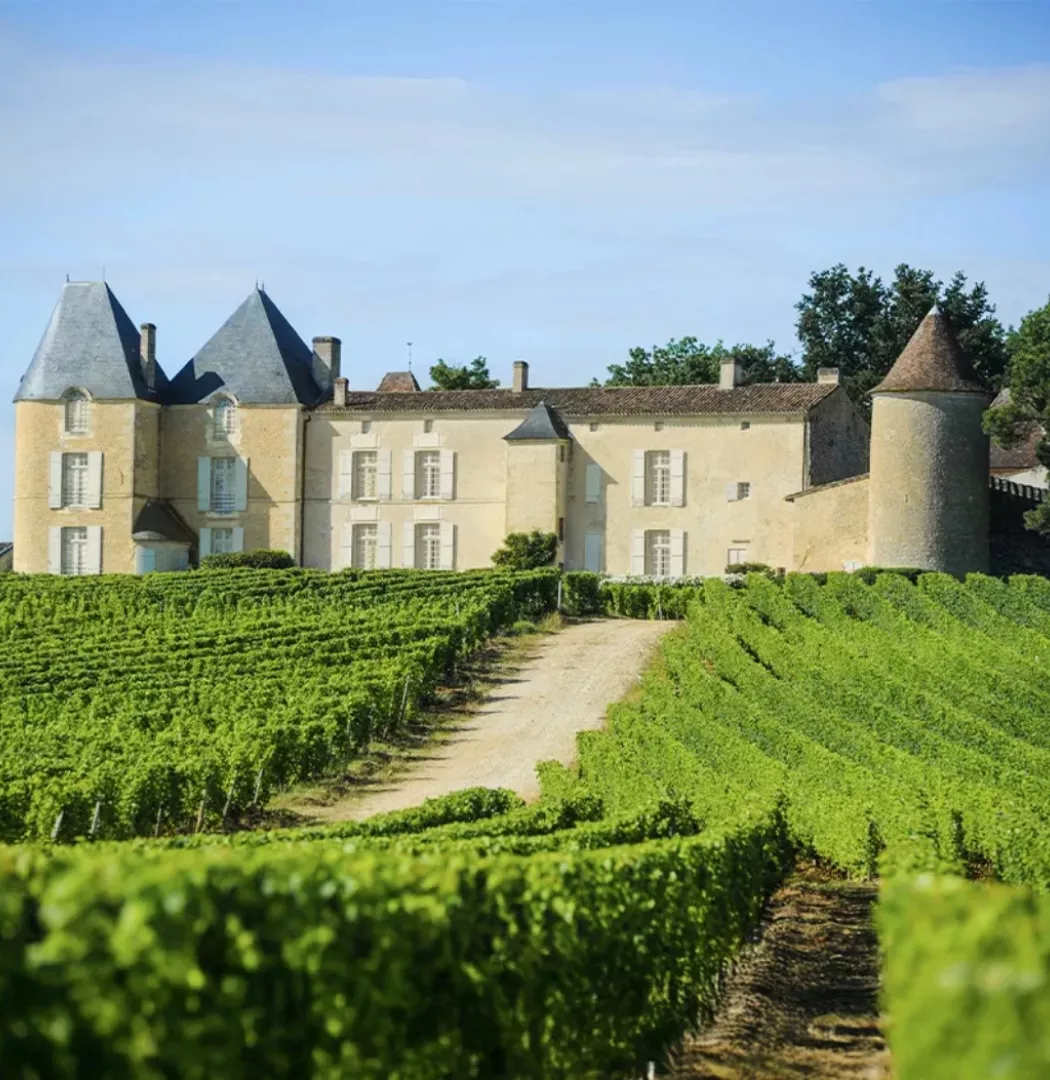
Wine estates that are already in operation and certified organic are among the most sought-after: there is strong demand for properties that combine architectural heritage and economic potential.
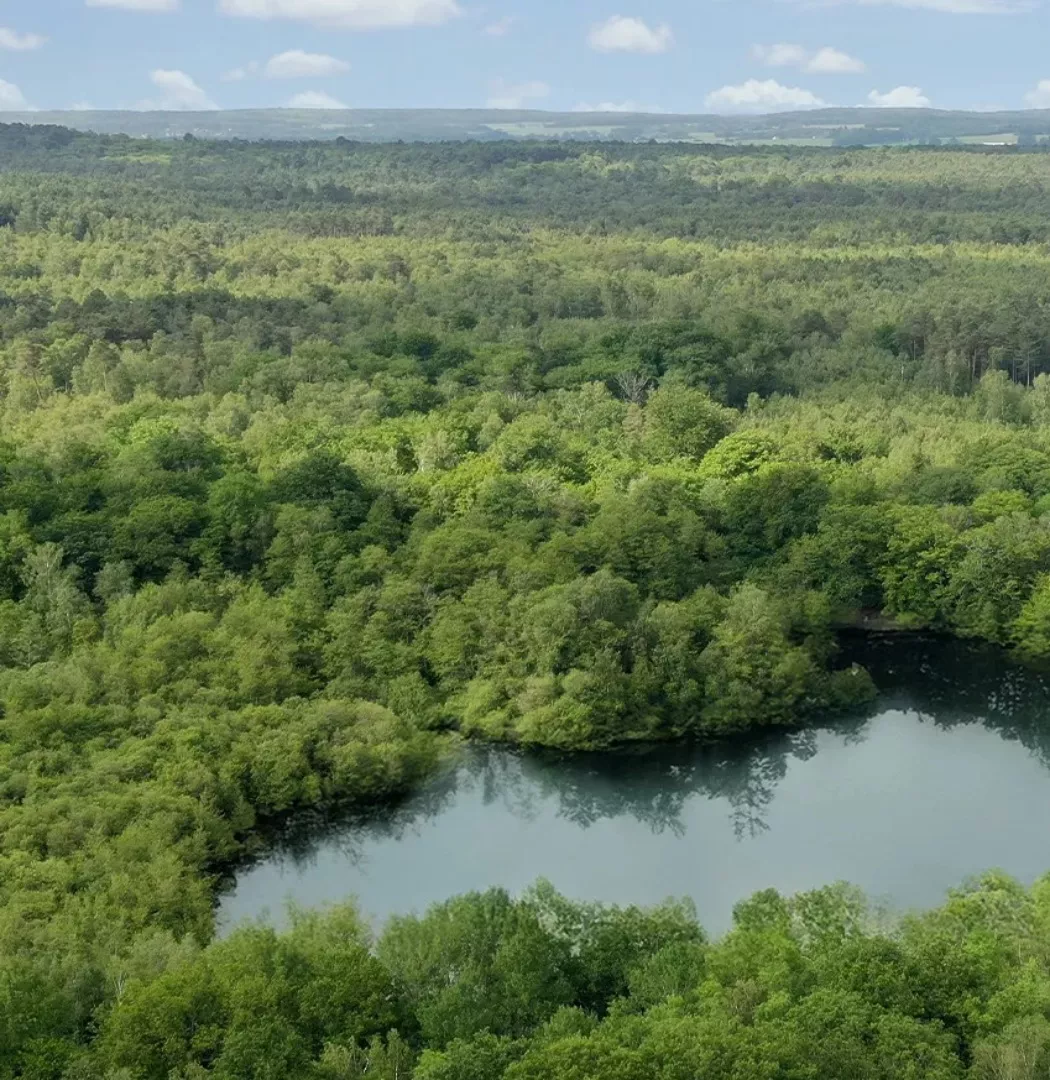
The forestry market is dynamic, with prices rising: +7% in 2024 for standing timber, +31% since 2016 for private forests.
A life of luxury: Who are these buyers?
Since the COVID-19 pandemic, the image of the castle as dark and cold, frozen in the past, has faded. Castles are coming back to life with the arrival of new owners seeking peace, nature, and meaning, far from the hustle and bustle of the city.
Among them are families looking for second homes or tourism projects, career changers, history and heritage enthusiasts, and institutional investors. They all share the same desire: to breathe new life into these historic buildings. In addition to investors, vineyards attract winemakers, wine merchants, and those seeking a career change.
Forests attract individuals driven by a desire for diversification, as well as players in the timber industry. The market is diverse, with a strong French presence but also a significant number of foreign buyers: Belgians, Swiss, British, Americans, and Chinese.
The requirements evolve
The historical dimension of a property is no longer enough. Buyers now seek a balance between heritage, economic performance, and sustainability. Three criteria that matter.
The environmental aspect is central. HVE, PEFC, or FSC certifications, sustainable management, and the enhancement of biodiversity strengthen the value of properties.The ZAN (Zero Net Artificialization) and CAP policies are steering the market towards virtuous practices, favoring projects that respect living organisms.
The creation of heritage wealth therefore now depends as much on sustainability as on the building itself. Today's investor seeks to reconcile history and responsibility.
Outlook for 2025: a promising market for enthusiasts
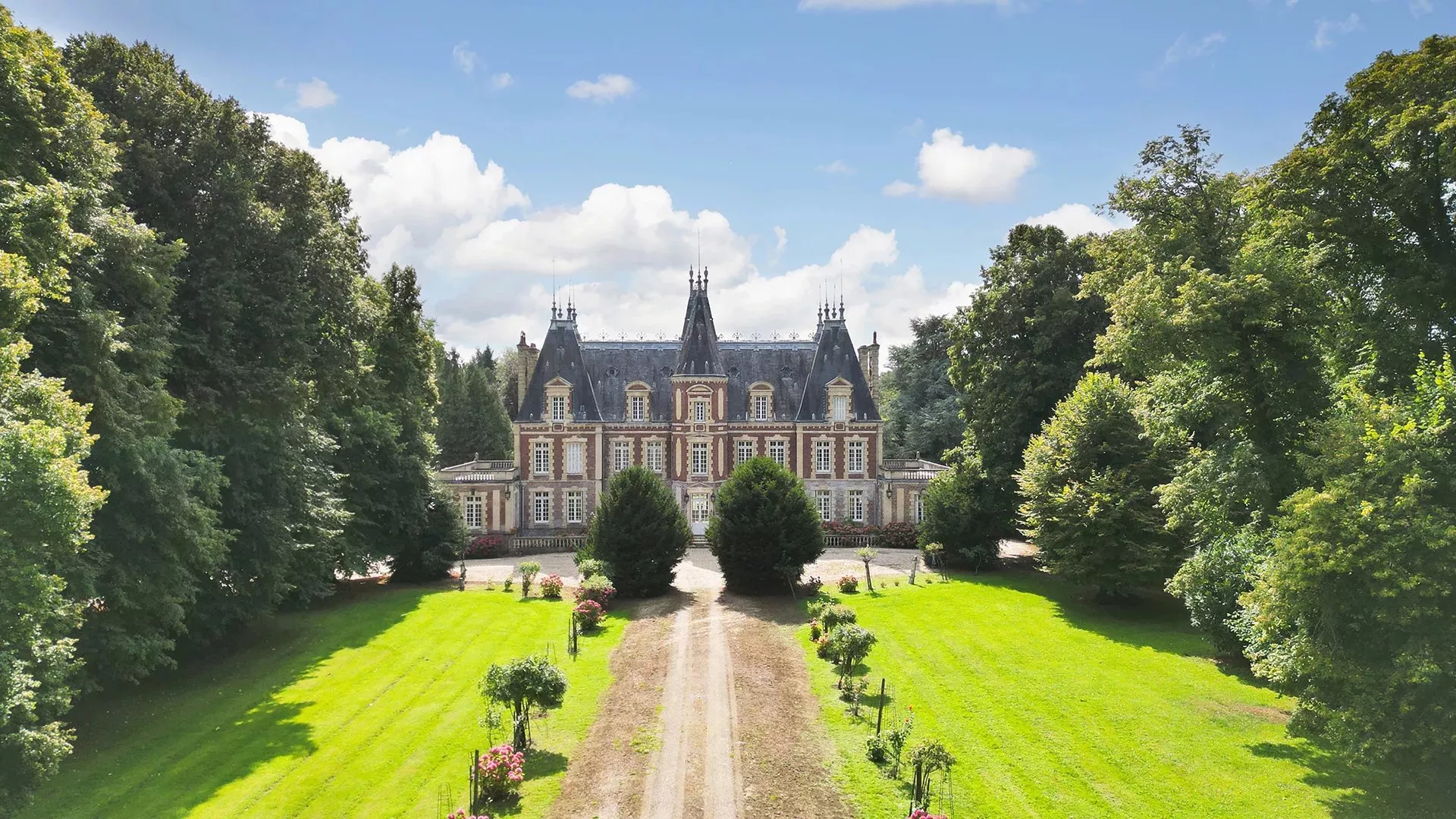
The "Castles and Heritage" segment is looking promising for the end of 2025.
- Sustained demand in niche markets (heritage properties, forests, vineyards).
- Growing interest in properties combining history, profitability, and environmental responsibility.
- Real opportunities for sellers who prepare solid dossiers and target international buyers or those seeking a career change. In a volatile economic climate, these rare properties confirm their timeless value. Between heritage and modernity, French heritage continues to attract, inspire, and reinvent itself.
Thanks to their in-depth knowledge of buyer profiles, regulatory frameworks, and environmental considerations, our Junot Châteaux et Patrimoine team offers tailored support at every stage of your project.
Our teams combine know-how and technical expertise to reveal the unique character of these exceptional estates and optimize their profitability. Looking to sell or buy an exceptional estate? Contact our team.